
Key Takeaways
- Music therapy offers structured wellness support that goes beyond casual listening.
- Familiar songs can help trigger memory recall and provide comfort for memory care residents.
- Rhythmic activities encourage gentle movement and can help with pain management.
- Group music programs create social connections and reduce feelings of isolation.
- Professional music programs in senior living communities accommodate different abilities and preferences.
Music Therapy Benefits for Seniors
You might remember how certain songs instantly transport you back to your wedding day or remind you of dancing in the kitchen with your children. Music has always held a special place in our lives, but in senior living communities, it becomes something even more powerful.
Music therapy offers structured, purposeful activities that can support your cognitive health, physical movement, and emotional well-being in ways that casual listening cannot.
When you participate in music therapy at The Enclave of Newell Creek, you’re engaging in more than just entertainment. These programs use specific techniques designed to address individual needs, whether that’s encouraging movement, sparking memories, or creating social connections through our comprehensive wellness programs.
What Music Therapy Offers Seniors
Music therapy works as a structured approach to wellness that trained professionals design around your specific needs and preferences. Unlike simply listening to the radio, therapeutic music programs involve active participation through singing, playing instruments, or moving to rhythms.
During music therapy sessions, you might find yourself tapping along to familiar tunes, sharing stories that songs bring to mind, or participating in group activities that encourage social interaction. These sessions typically last 30 to 60 minutes and can happen individually or in small groups.
The difference lies in the intentional approach. While you might enjoy background music during dinner, music therapy sessions focus on specific goals like improving mobility, encouraging memory recall, or reducing anxiety through familiar melodies.
How Music Therapy Supports Memory and Cognitive Health
Your brain processes music differently from other sounds, activating multiple areas simultaneously. When you hear a song from your youth, it can trigger vivid memories and emotions that seem forgotten. This connection between familiar songs and memory recall forms the foundation of music therapy programs.
For residents in memory care, music can provide a bridge to past experiences and relationships. You might find that singing along to songs from the 1950s or 1960s comes naturally, even when other forms of communication feel challenging.
Musical activities engage different parts of your brain, encouraging neural pathways that support cognitive function. Simple activities like keeping rhythm with hand instruments or singing familiar choruses can stimulate memory centers and promote mental engagement.
Music’s Role in Memory Care Communities
Memory care communities often create personalized playlists based on your musical preferences and life experiences. These might include songs from your wedding, military service, or favorite decade of music.
Group music activities encourage participation at whatever level feels comfortable for you. Some residents might sing every word to “Moon River,” while others simply tap their feet or smile at familiar melodies.
Music can provide comfort during challenging moments, offering a sense of familiarity and calm when other aspects of daily life feel confusing or overwhelming.
Physical Benefits of Music Therapy
Rhythm naturally encourages movement, and music therapy programs use this connection to support your physical health. When you hear an upbeat song, your body wants to respond, whether through toe-tapping, hand-clapping, or gentle swaying.
Music therapy can encourage gentle physical activity that supports balance, coordination, and muscle strength. The enjoyable nature of musical movement often makes exercise feel less like work and more like recreation.
Many residents find that music helps with pain management and relaxation. Slower, calming melodies can reduce tension and create a sense of peace that supports both physical and emotional comfort.
Movement and Music Activities
Chair exercises set to music make movement accessible for residents with different mobility levels. You can participate fully while remaining seated, moving your arms, shoulders, and torso to uplifting rhythms.
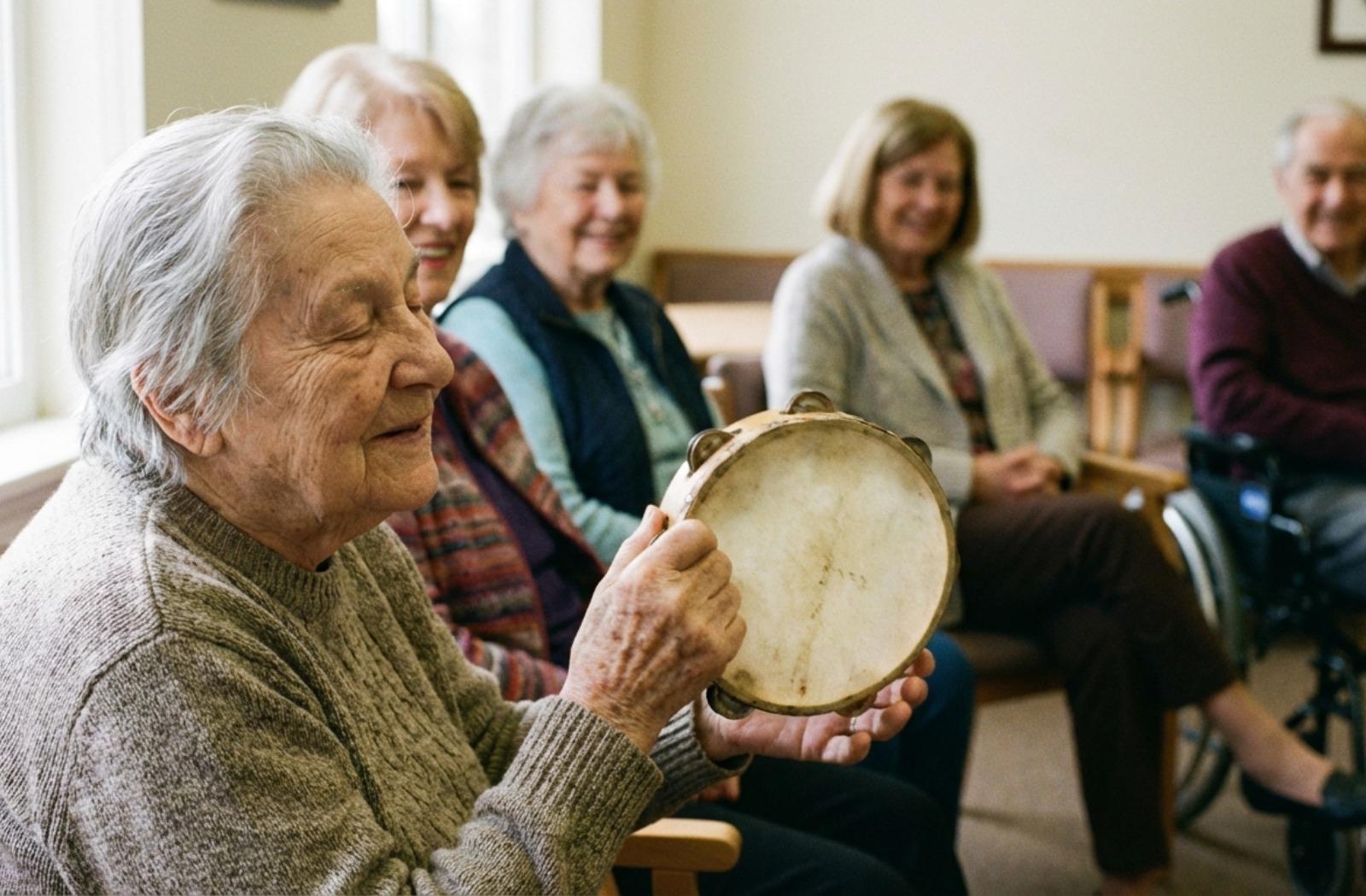
Simple instruments like shakers, tambourines, or bells promote hand coordination and fine motor skills while adding to the musical experience.
Social and Emotional Benefits of Music Programs
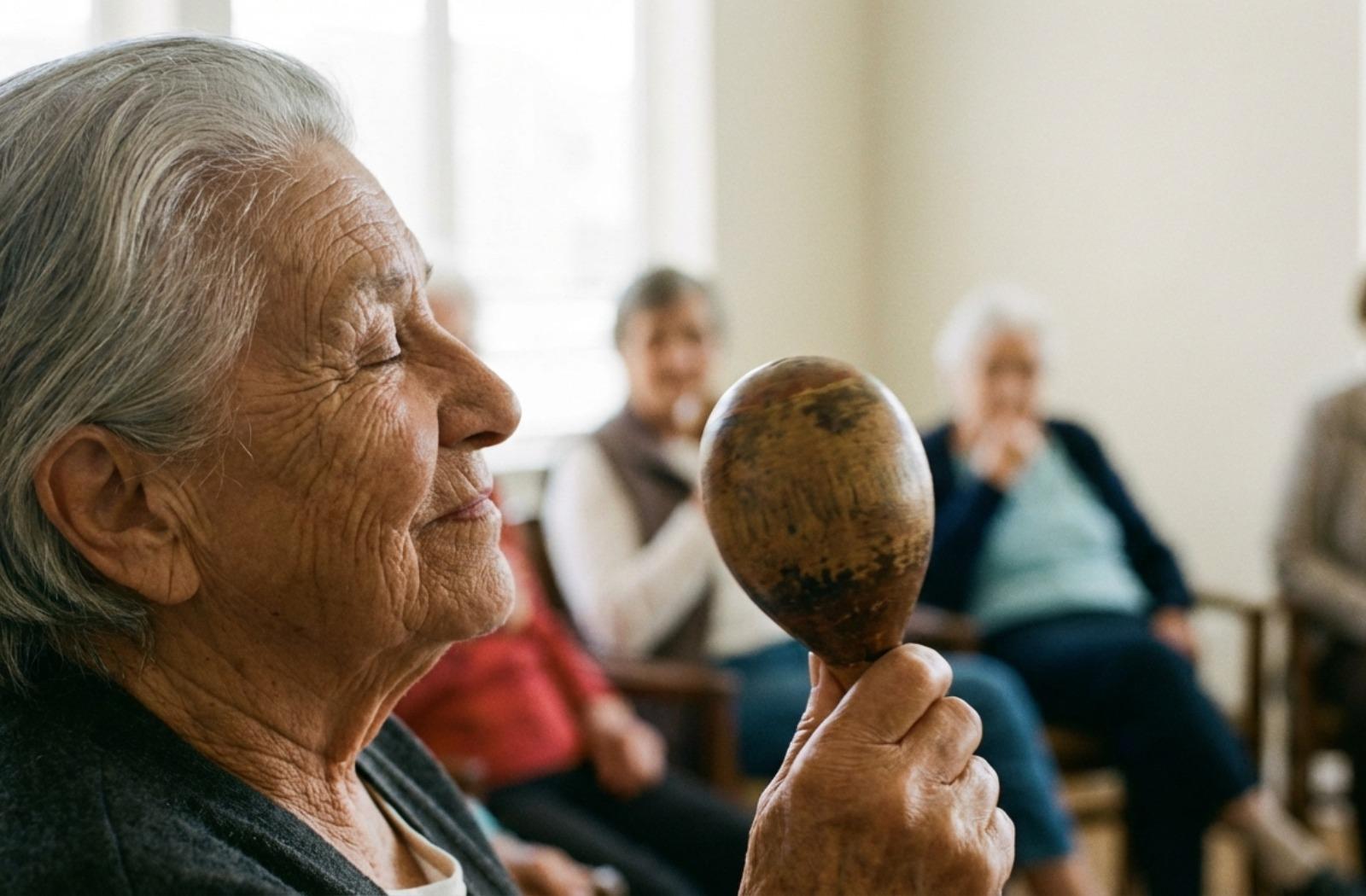
Music brings people together in senior living communities, creating natural opportunities for conversation and connection. When you participate in group singing or music activities, you’re sharing experiences with neighbors who often have similar musical memories.
Familiar songs can lift your spirits and reduce feelings of anxiety or loneliness. The emotional comfort of hearing “your” songs can provide stability and joy throughout your day, helping to address the social isolation many adults face.
Music serves as a bridge between generations during family visits. Your grandchildren might not understand your stories about your childhood, but they can sing “You Are My Sunshine” with you and create new shared memories.
Building Community Through Music
Group singing activities create social connections that extend beyond the music room. You might find yourself humming with the person next to you at lunch or discussing favorite songs with new friends.
Music programs help residents share stories and experiences tied to specific songs or musical eras, creating opportunities for meaningful conversations and mutual understanding.
Making Music Part of Your Senior Living Experience
At The Enclave of Newell Creek, music programs are woven into daily life through both structured activities and informal moments throughout the week. Whether you need assisted living support or memory care services, music therapy can be adapted to meet your individual needs and preferences.
When exploring senior living options, ask about the variety of musical activities available and how programs accommodate different abilities. Look for communities where trained staff understand the therapeutic value of music and can tailor programs to residents’ personal musical histories. Contact us to learn more about how our programs can support your wellness journey.