

Key Takeaways
- Reluctance or refusal to bathe often becomes more noticeable during the middle and later stages of dementia.
- Memory loss, confusion, fear, sensory changes, and physical limitations can all affect bathing habits.
- A person who refuses a shower may be confused about whether they already bathed or uncomfortable with the experience itself.
- Familiar routines, a comfortable bathroom, and simple directions can make personal care less stressful.
- Bathing refusal alone can’t determine a person’s stage of dementia, but growing difficulty with hygiene can signal changing care needs.
Why Bathing Habits Can Change With Dementia
You may notice a loved one skipping showers, insisting they already bathed, or becoming upset when you suggest it’s time to wash up. These hygiene changes can be confusing, especially when bathing was never an issue before. Dementia can affect memory, judgment, sensory processing, and the ability to complete familiar tasks in the right order.
So, what stage of dementia is not bathing most common? Refusal to bathe often appears during the middle and later stages of dementia, when memory loss, fear, and physical changes can make a once-simple task feel overwhelming. Still, bathing habits alone can’t tell you what stage of dementia a person has. Looking at the reasons behind the behavior can help you respond to what your loved one needs in that moment.
Why Someone With Dementia May Refuse to Bathe
Bathing asks more of the brain than it might seem. A person has to recognize that it’s time to bathe, gather what they need, undress, adjust the water, wash themselves, dry off, and get dressed again. Dementia can interrupt any part of that process, and that’s frustrating for everybody involved.
They Don’t Remember Needing a Bath
Your loved one may genuinely believe they already showered that morning, even if several days have passed. Dementia can make it difficult to keep track of time and recall recent events. Being told they need a bath may feel confusing or even insulting if they’re certain they’ve already taken one, and that can turn a simple disagreement into frustration for everyone involved.
The Bathroom Feels Unfamiliar or Uncomfortable
A bathroom can become an uncomfortable place when dementia changes how someone interprets their surroundings. Running water may sound unusually loud, a cold floor can feel startling, and reflections in a mirror may cause confusion. Undressing can also leave a person feeling exposed, particularly if they need another person’s help.
Bathing Feels Too Complicated
What once happened automatically can become a long series of decisions. Your loved one may not remember what to do after turning on the water or may become stuck trying to choose between shampoo, soap, towels, and clothing. Meanwhile, too many instructions at once can add to the confusion, so make sure you’re staying patient when helping someone with memory loss.
Physical Changes Make Bathing Harder
Stepping over the side of a tub, standing on a wet floor, reaching overhead, and washing hard-to-reach areas all require balance and coordination. Those movements may become harder as dementia progresses or other physical limitations develop. Any amount of pain, fatigue, or sensitive skin can add another reason to avoid the shower.

How to Make Bathing Easier With Dementia
Trying to force a shower can increase fear and resistance. A calmer approach starts with figuring out what part of the routine is causing trouble. You can then adjust the experience around your loved one’s comfort and abilities rather than expecting them to follow the same routine they once did.
Keep the Routine Familiar
Try to schedule bathing around the time of day your loved one has traditionally preferred. If they always showered in the morning, switching to an evening bath may create unnecessary confusion. Use the same bathroom, towels, toiletries, and general sequence whenever possible. Familiar details can make it easier to recognize what is happening and what comes next.
Make the Bathroom More Comfortable
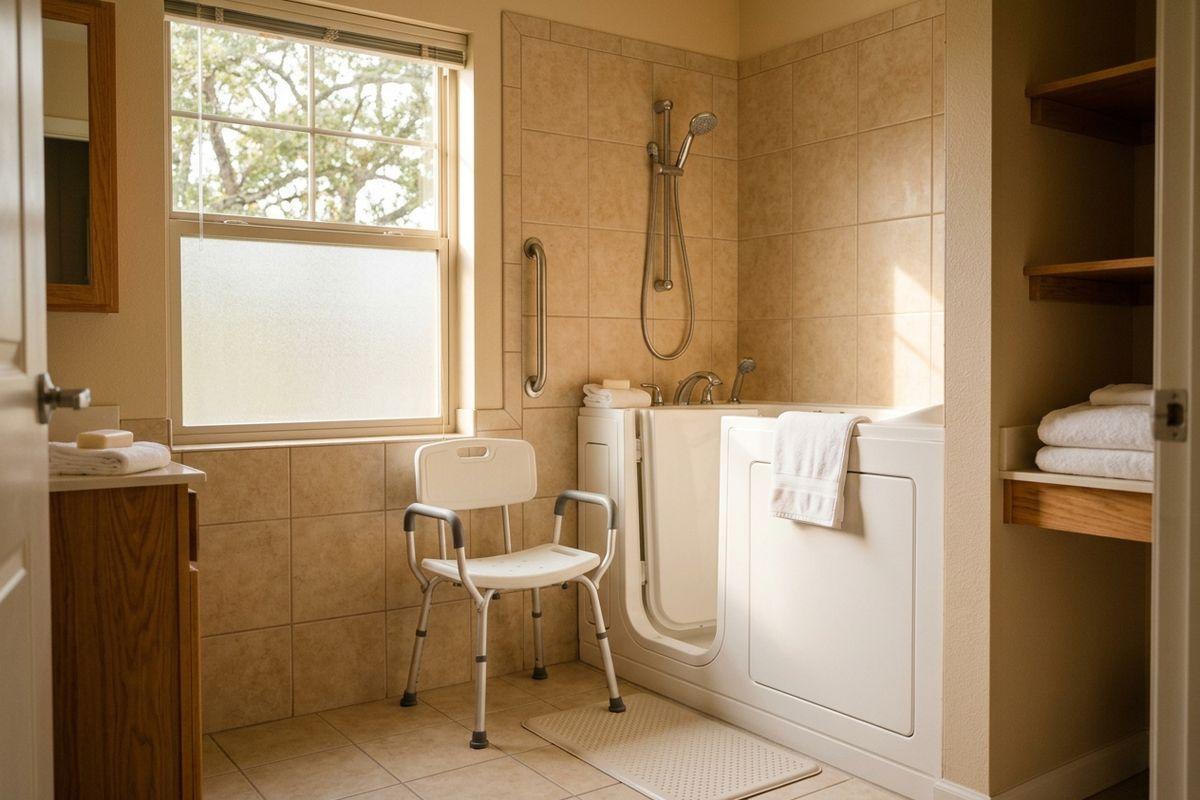
Warm the bathroom before your loved one gets undressed and have towels and clothing ready. Check the water temperature rather than expecting them to judge it accurately on their own. A shower chair, grab bars, nonslip surfaces, or a handheld showerhead may make bathing feel more secure. Privacy also matters, so keep your loved one covered with a towel whenever possible if they need hands-on assistance.
Give Simple, Calm Directions
Long explanations can be difficult to process, especially once someone is already anxious. Give one direction at a time, such as asking your loved one to sit down before handing them a washcloth. Keep your tone calm and allow enough time for them to respond before moving to the next step. If frustration starts building, stopping and trying again later may work better than pushing through.
Be Flexible About What Bathing Looks Like
A full shower doesn’t have to happen every time. A sponge bath, no-rinse cleanser, dry shampoo, or washing one area at a time may be enough on a difficult day. Focus on keeping your loved one clean and comfortable rather than completing the routine in one particular way. And if you ever feel stuck, you can always reach out to a professional for support.
Find Memory Care Support at The Enclave of Newell Creek
Refusing to bathe can become more common during the middle and later stages of dementia, but the behavior usually has a reason behind it. Your loved one may be confused, frightened, physically uncomfortable, or simply unable to work through all the steps anymore. Adjusting the routine around those needs can make personal care more manageable while preserving dignity and comfort.
As dementia progresses, bathing may be one of several daily routines that require more hands-on support. The Enclave of Newell Creek in Mentor offers memory care for people who need greater structure and assistance with everyday needs. Schedule a tour of our community today, and come discover more about the support we can offer your loved one.