
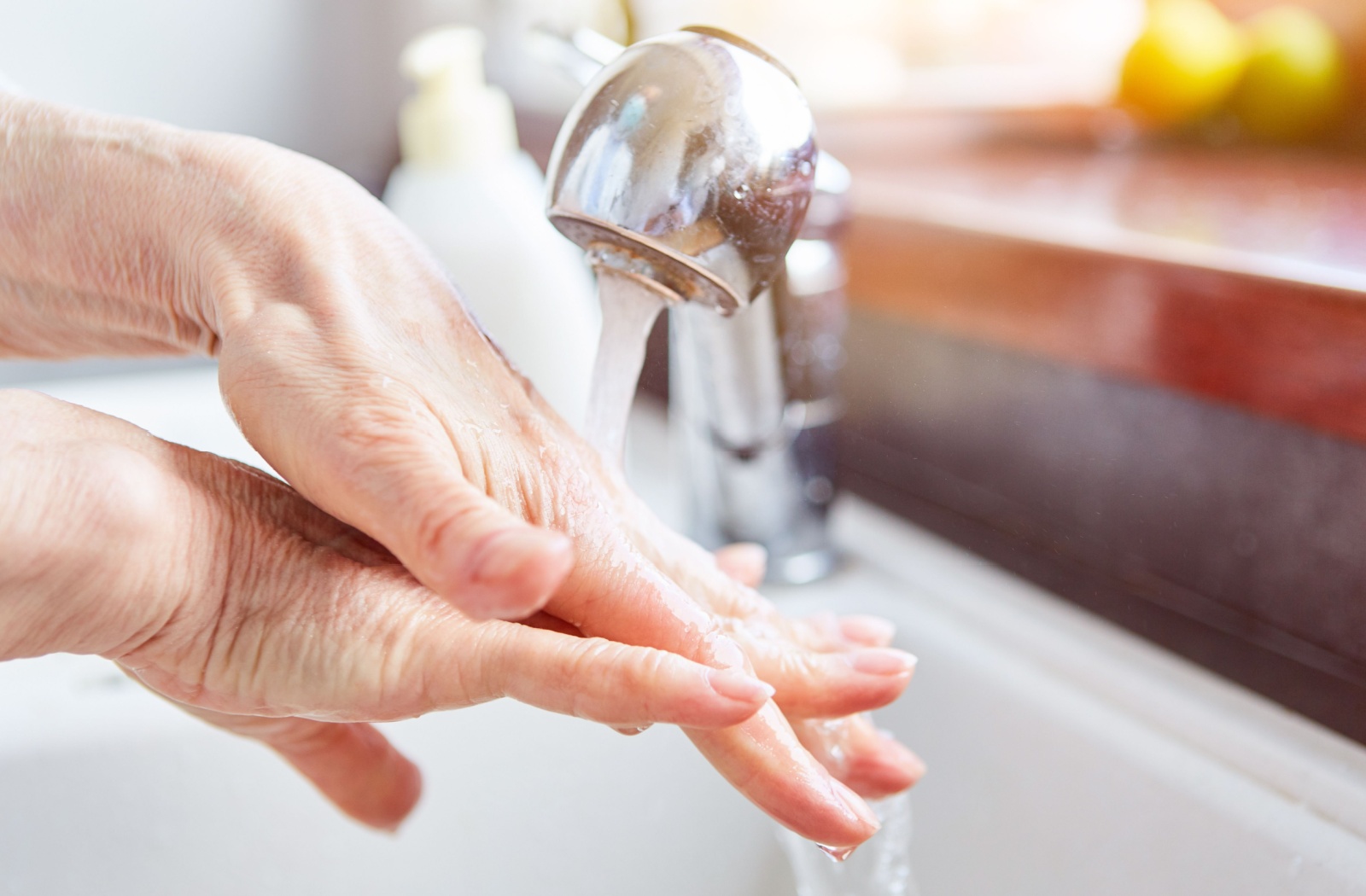
Helping a parent or spouse with personal hygiene can be one of the more delicate parts of caregiving. Changes often happen gradually, and families may notice small shifts in grooming habits, bathing routines, or overall appearance first. These moments can feel uncomfortable to address, especially when dignity and independence matter deeply to everyone involved.
At its core, assisting your senior loved one with personal hygiene is about understanding the challenges they face. Then, by responding with respect, you can restore dignity to their life. If needed, you can always reach out to a senior living community near you to make daily life safer and more manageable.
Key Takeaways
- Physical limitations, cognitive changes, and medication side effects can make personal hygiene tasks more challenging for seniors
- Approaching conversations about personal care with empathy and respect helps preserve dignity while addressing safety concerns
- Simple bathroom modifications and adaptive tools can help your loved one maintain independence with daily hygiene routines
- Assisted living, memory care, and respite care services provide professional support when family caregiving becomes insufficient
- Recognizing when you need help is a sign of good caregiving, not failure
Why Personal Care Becomes More Challenging for Seniors
Personal hygiene challenges rarely stem from unwillingness. Instead, they’re often tied to changes in the body or brain that affect how everyday tasks are completed.
Physical Challenges
As people age, physical changes can quietly interfere with once-simple routines. Tasks like bathing, dressing, or grooming may require more strength, balance, or flexibility than your loved one currently has.
Common physical factors that affect personal care include:
- Joint pain or stiffness that limits reach and movement
- Balance issues that make standing in the shower feel unsafe
- Reduced grip strength when handling grooming tools
- Fatigue that turns routine tasks into exhausting efforts
When physical strain builds up, skipping hygiene tasks often feels like a practical coping strategy rather than a conscious choice.
Cognitive Challenges
Cognitive changes can also disrupt personal hygiene routines, even when physical ability remains intact. These challenges are especially common for those living with dementia or mild cognitive impairment.
Cognitive-related barriers families may notice include:
- Forgetting whether bathing or brushing teeth has already happened
- Difficulty following multi-step routines
- Trouble initiating grooming tasks without prompting
- Reduced awareness of personal hygiene needs
These changes reflect shifts in brain function, not stubbornness, and often require consistent, supportive cues.
How to Approach Personal Care Conversations with Dignity
Conversations about hygiene are best handled thoughtfully and privately. Choose a calm moment when your loved one is rested and not feeling rushed or stressed. Leading with concern for comfort and safety instead of their appearance is key here.
Also, make sure you’re listening just as much as you’re speaking. Many seniors are aware that something feels harder, but may struggle to explain why. By inviting them to share what feels uncomfortable or unsafe, you can focus on solutions that support their daily independence rather than removing it.
Signs That Your Loved One May Need Help
Hygiene-related changes often appear slowly, which makes them easy to rationalize or overlook. Noticing patterns over time is more helpful than reacting to a single incident.
Some common signs that someone struggles with personal care include:
- Wearing the same clothes for several days in a row
- Unwashed or tangled hair
- Noticeable body odor or breath changes
- Neglected nail, skin, or foot care
- Clothing that’s stained or inappropriate for the weather
When these signs persist, they often signal that daily routines have become more difficult to manage safely.

Practical Ways to Help with Daily Hygiene Tasks
Break complex routines into smaller, manageable steps that don’t feel overwhelming. Instead of expecting your loved one to complete an entire grooming routine at once, focus on one task at a time. Small changes can reduce risk while allowing your loved one to remain involved in their own care.
Simplifying Daily Routines
Breaking hygiene tasks into smaller steps can make them feel less overwhelming. Instead of focusing on an entire routine at once, addressing one task at a time often leads to better follow-through. Gentle reminders, visual cues, or setting out supplies in advance can help without taking control away.
Creating a Safer Bathroom Environment
Bathrooms are one of the most common places for falls, especially during bathing. So, make some small adjustments to make sure their bathroom is senior-friendly.
It helps to install:
- Grab bars
- Non-slip mats
- Shower seating
- Handheld showerheads
- Proper lighting
When the environment feels safer, avoidance behaviors often decrease.
Supporting Grooming and Oral Care
Adaptive tools can make grooming less physically demanding. Electric toothbrushes, long-handled brushes, and comfortable seating with good lighting all reduce strain. Keeping routines realistic, like with regular scheduled haircuts, promotes consistency.
When Professional Care Support Makes Sense
There may come a point when family caregiving alone no longer meets your loved one’s personal care needs. If hygiene assistance creates ongoing stress, safety concerns, or exhaustion, professional support can restore balance for everyone involved.
Senior living doesn’t remove independence. It supports it and restores dignity. They provide structured assistance with bathing, grooming, and daily routines while encouraging residents to do as much as they can independently. Consistent support often restores confidence, reduces risk, and helps seniors maintain a sense of control over their daily lives.
Trust a Team of Professionals to Help
Addressing personal hygiene challenges early can prevent safety risks and reduce stress for both seniors and their families. With understanding, practical adjustments, and the right support, it’s possible to protect independence while meeting changing needs. And don’t worry—your family isn’t alone, and we’re here to help.
Here at The Enclave of Newell Creek, we offer a range of supportive options to restore dignity, independence, and self-respect to your loved one’s life. We know how important independence is to older adults, and we’re ready to step in. With our help, your loved one can thrive, so schedule a visit with us today!